Questions that make a garden-tool runtime claim useful
Ask what a runtime number includes before using it to compare garden-tool proposals.
Updated:
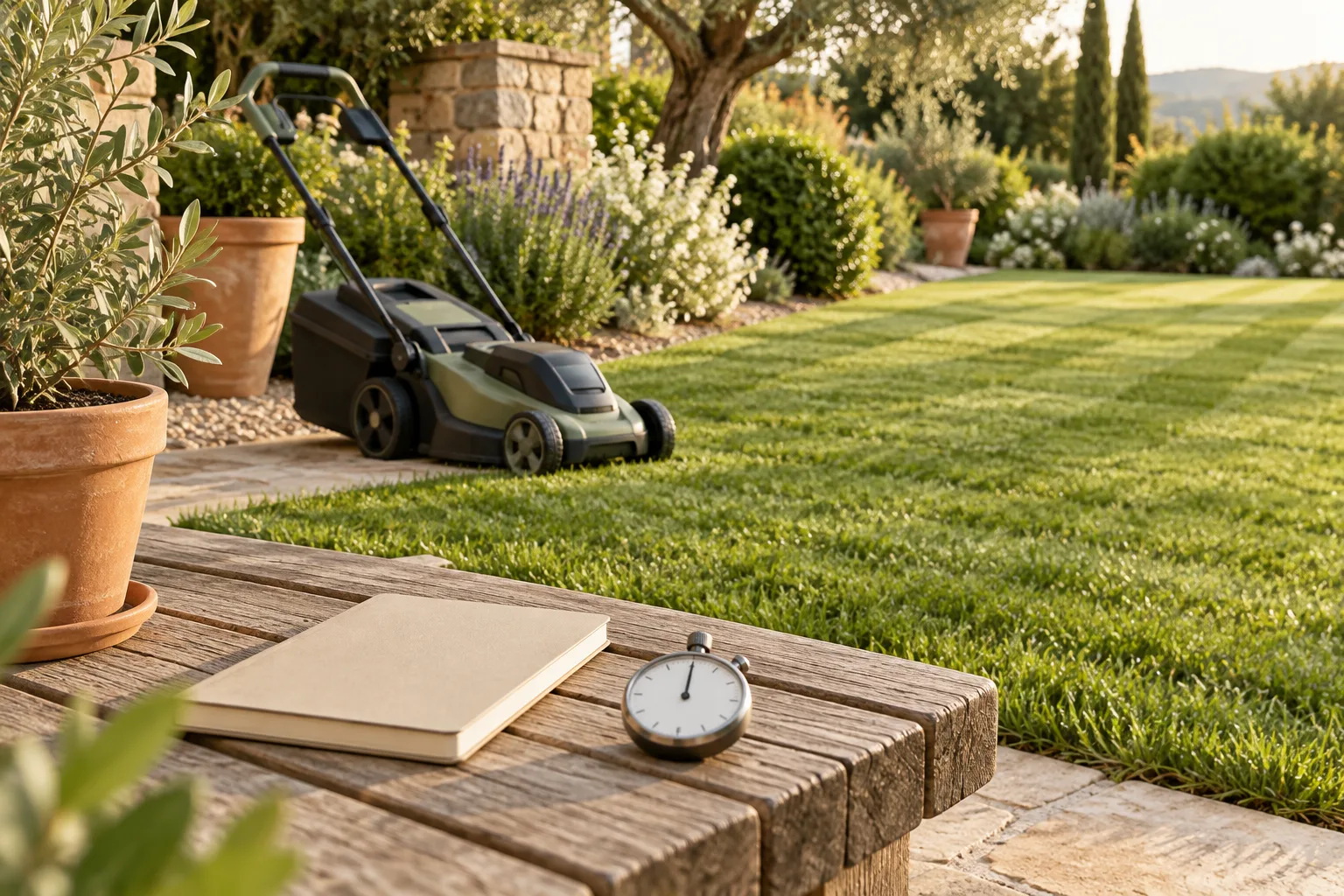
Ask what the clock is measuring
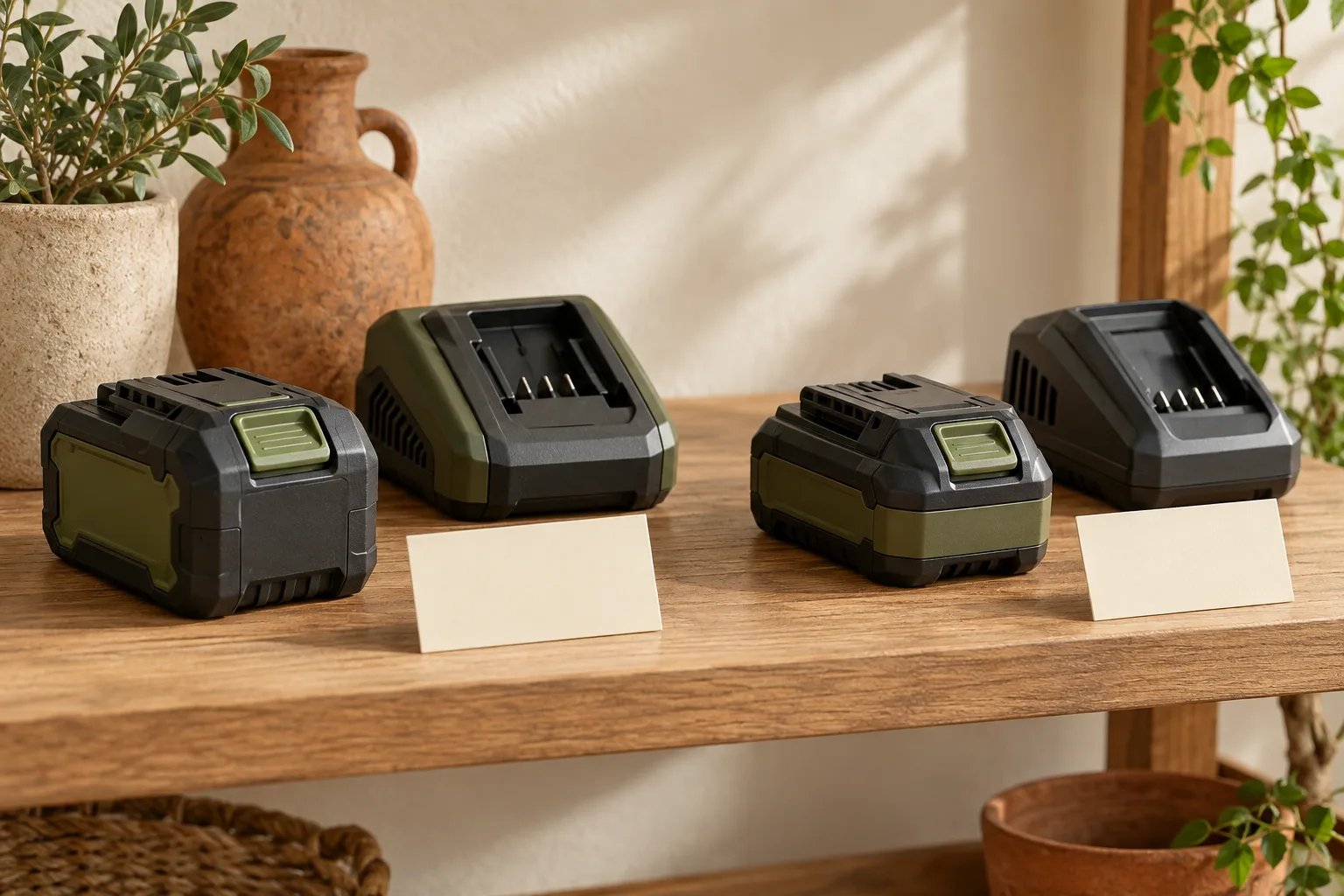
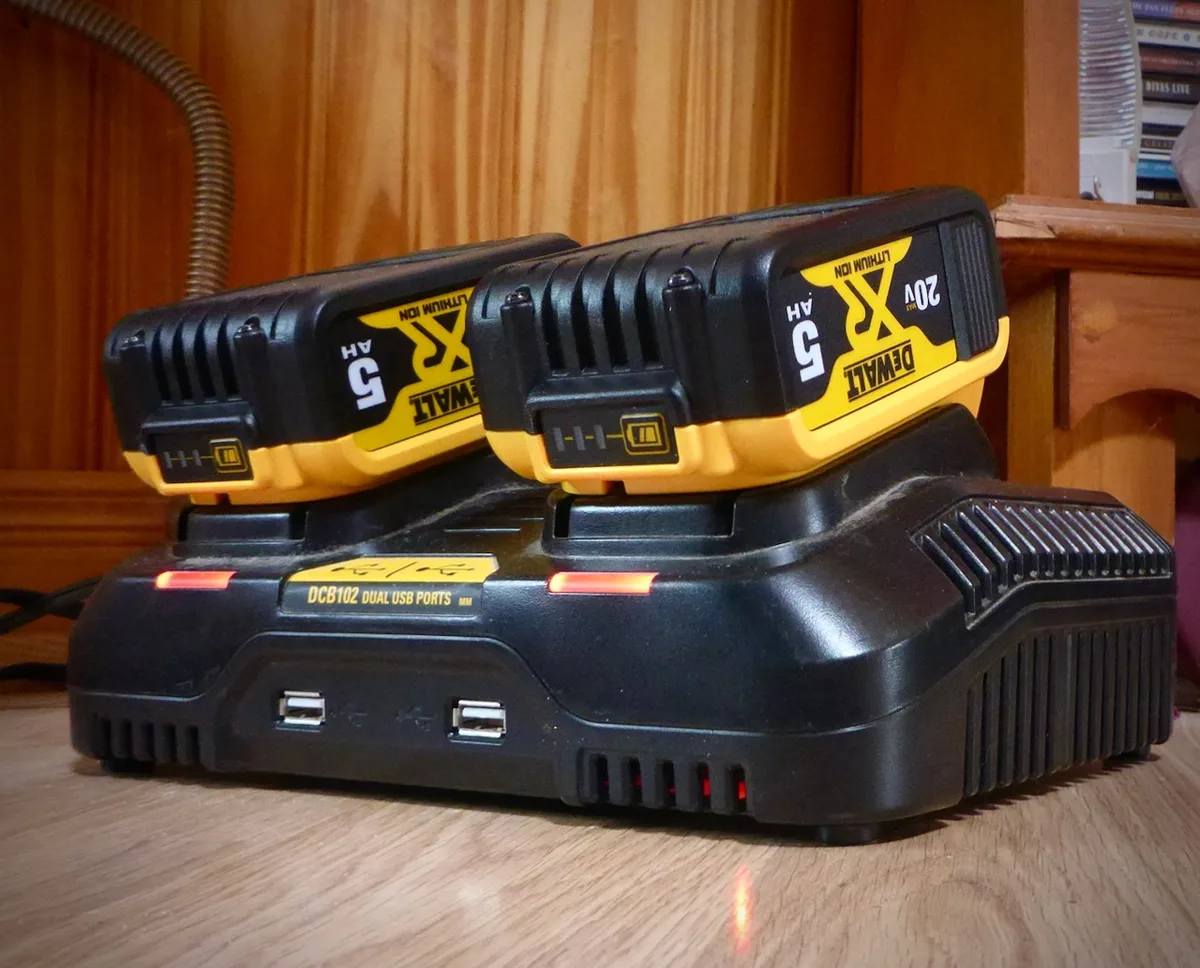
A runtime figure is incomplete without its measurement conditions. Ask whether it describes continuous operation, a particular test task or elapsed time including pauses. Record the exact tool, battery and operating mode associated with the claim. The real battery photograph illustrates the separate power component, but its visible labels do not establish runtime for a garden task. We have not tested those batteries, and their presence in a photograph does not validate any endurance claim.
Keep battery identity attached to the number
A claim made with one specified battery should not silently migrate to another kit. RYOBI Australia’s support material describes compatibility within its own system, which is useful context for identifying components; compatibility itself does not establish a runtime result. Ask the seller for the original manufacturer statement and its conditions. If the battery model or test context is omitted, record the runtime as insufficiently specified rather than guessing what the advertised number probably means.
Distinguish active time from elapsed time
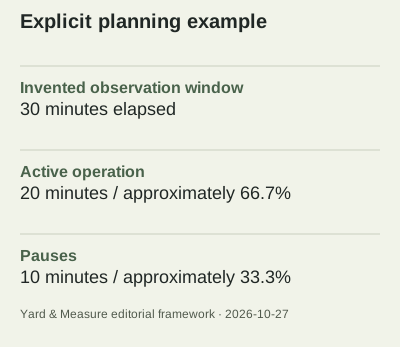
Consider an invented observation window lasting 30 minutes. If the tool is active for 20 minutes and paused for 10 minutes, active time represents about 66.7% of the window and pauses about 33.3%. This example is not a battery test or a suggested work pattern. It simply shows why two figures labelled runtime may refer to different things. Do not compare an active-operation claim with a whole-session observation until the definitions are made consistent.
Do not turn lawn geometry into endurance
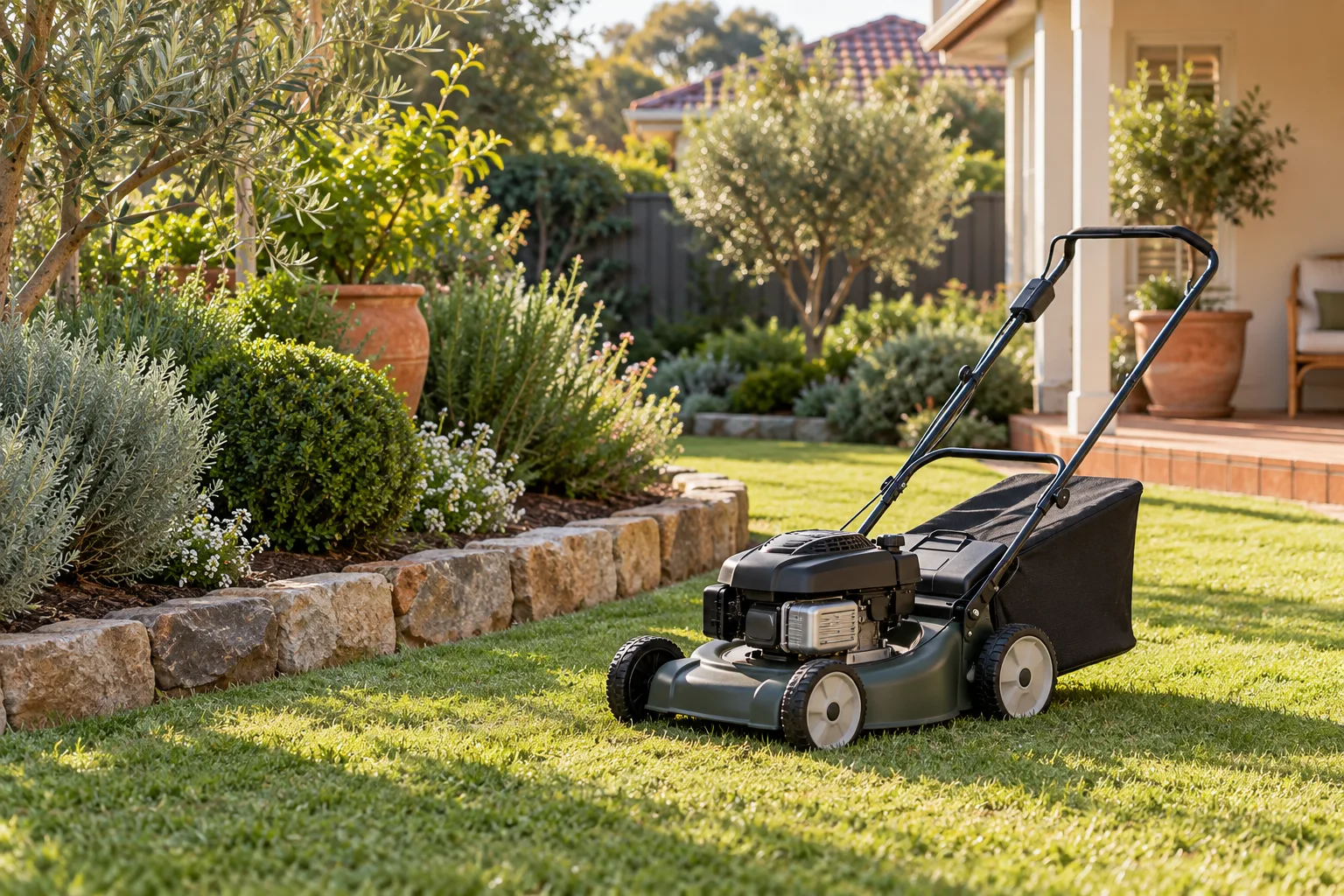
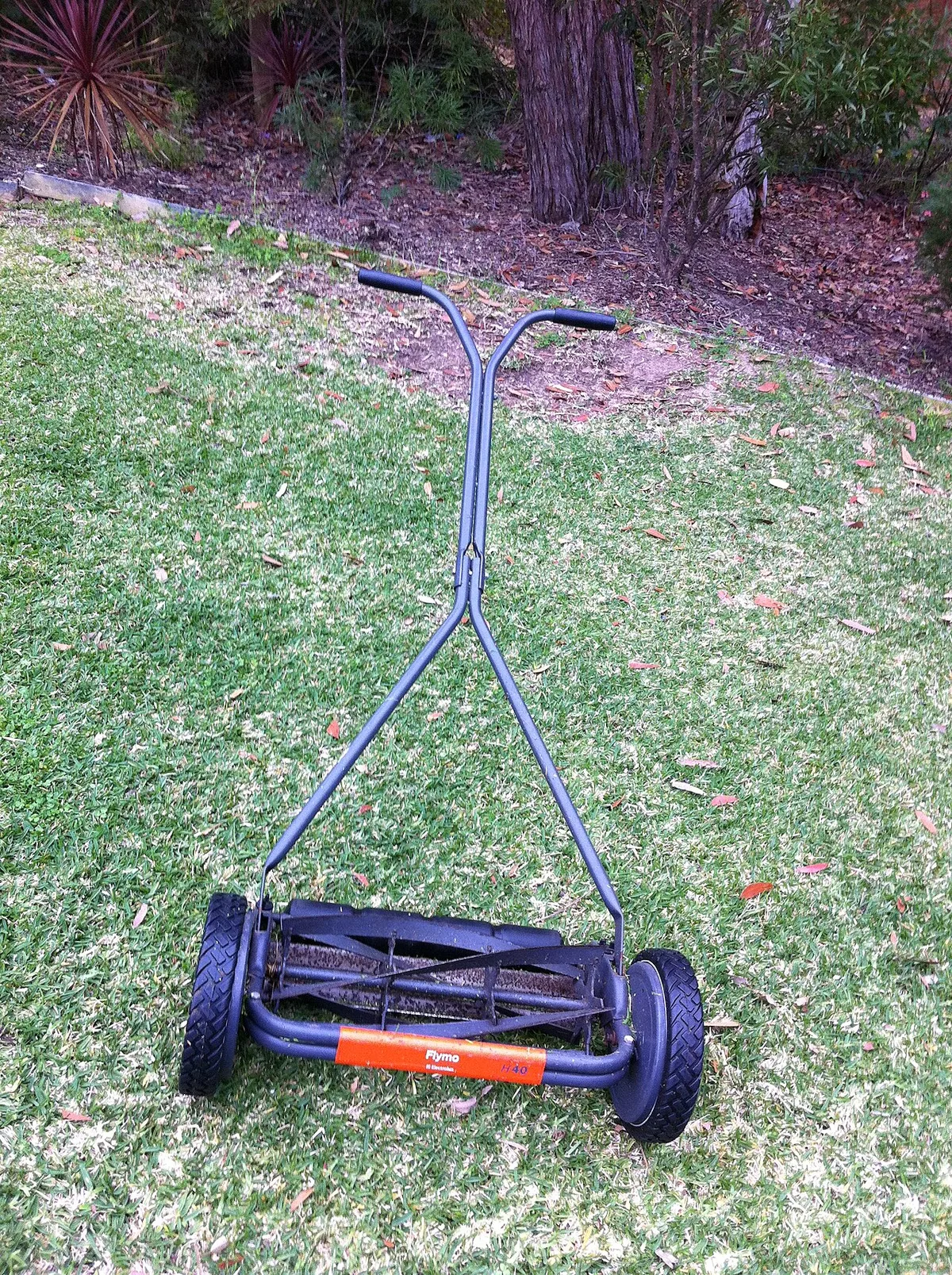
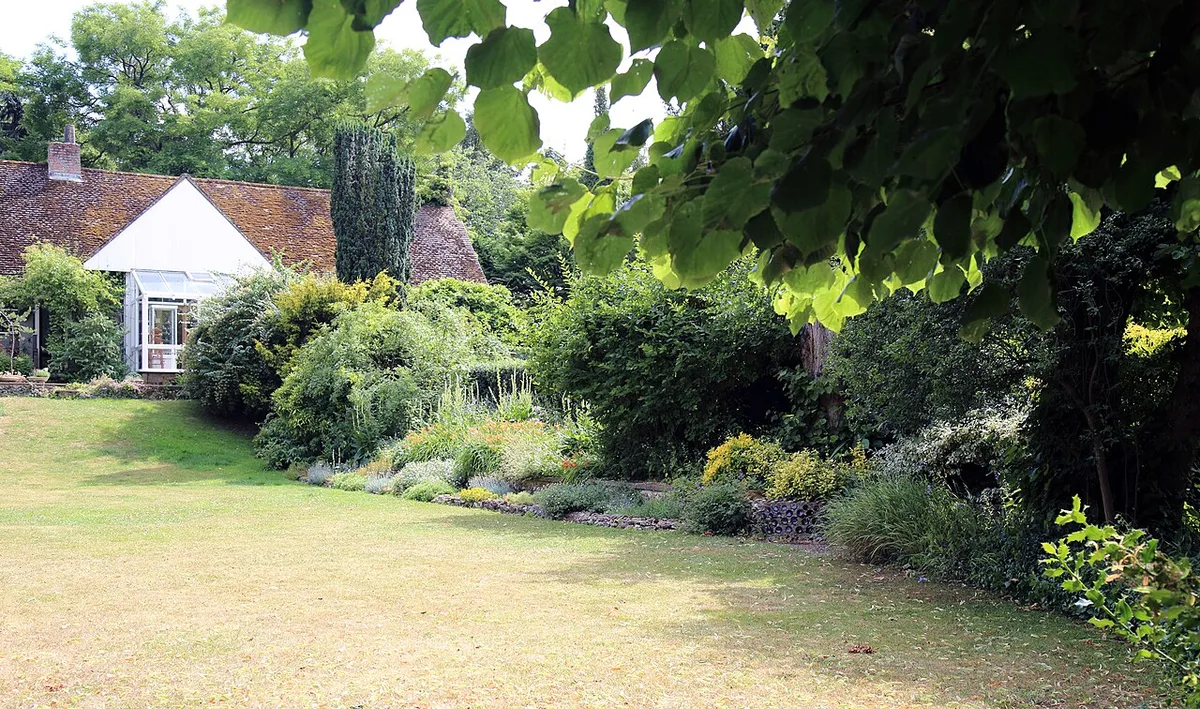
Our mowing pass model uses lawn width, cutting width and an assumed overlap to calculate strips. It contains no power measurement and cannot predict a battery’s endurance. The real manual reel-mower photograph illustrates an entirely different equipment form, while the lawn-and-bed photograph shows an irregular boundary that a simple rectangle does not fully describe. Neither image supplies workload data. Husqvarna’s manufacturer buying advice connects mower selection with lawn characteristics, but it is not a runtime test for your property.
Ask for the missing conditions together
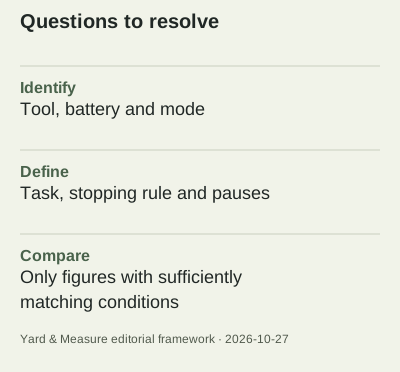
A useful follow-up request includes tool model, battery model, mode, task, stopping rule and whether pauses are counted. Keep the manufacturer’s wording and caveats with the answer. If a comparison source uses a different task or omits key conditions, do not calculate a percentage advantage as though the figures were directly equivalent. A longer number can be less useful than a shorter, well-defined one when the question is whether a specific proposal fits your intended job.
Use an unanswered claim as a question
When conditions cannot be established, leave the runtime row unresolved and compare the facts that are documented. Ask about the complete proposed system and its intended use rather than demanding a precise result that no source supports. Reviewed on 2026-10-27, this article makes no endurance prediction, recharge-time promise, measured efficiency claim or model ranking. It helps distinguish what a number actually describes before that number influences a purchase, and keeps illustrative arithmetic separate from product evidence.
RYOBI Australia support ? Husqvarna AU manufacturer buying guidance ?