A manual edge tool belongs on the shortlist too
Describe the edge task first, then compare manual and powered equipment on fit, storage and documented purpose.
Updated:
Describe the result you are shopping for
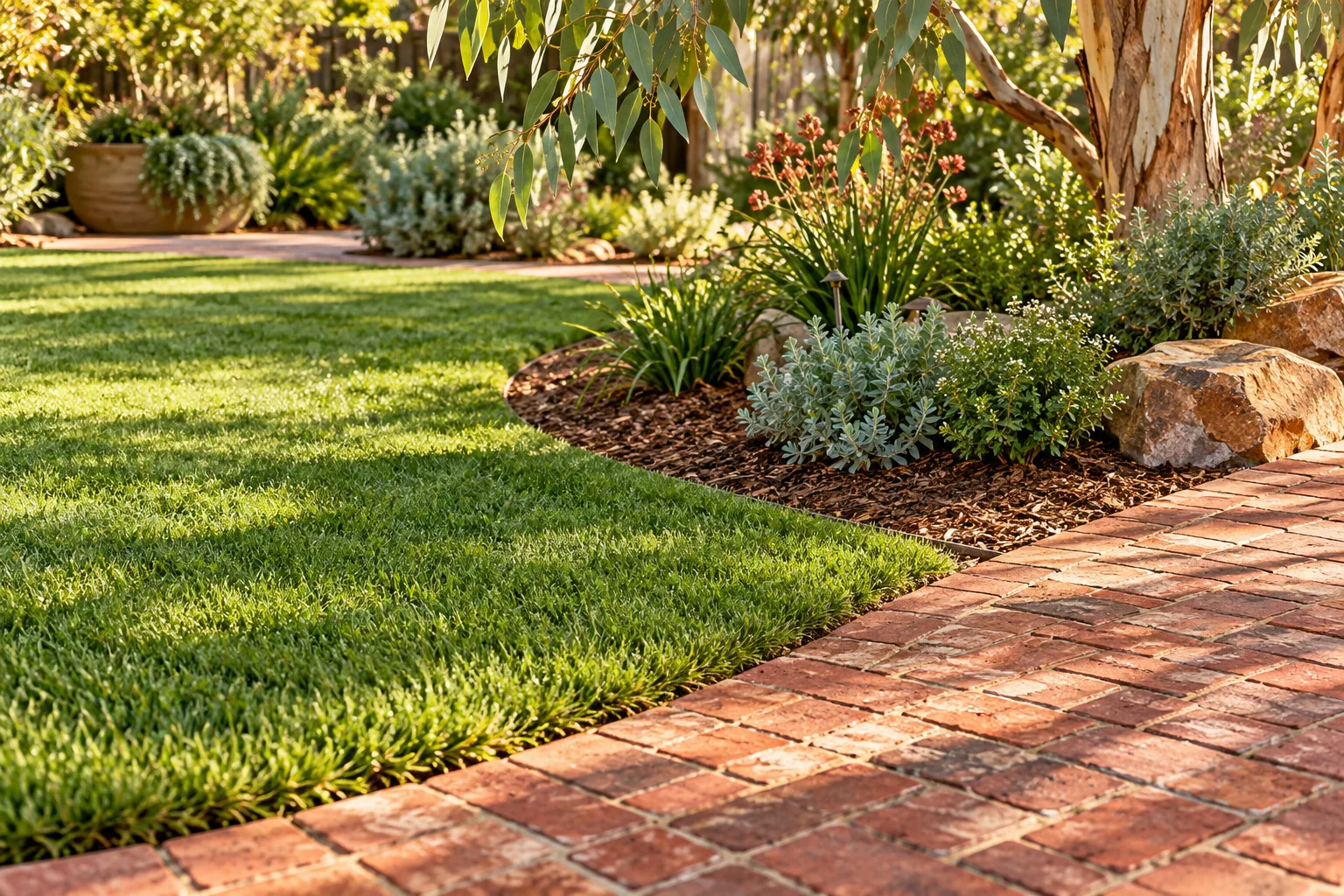
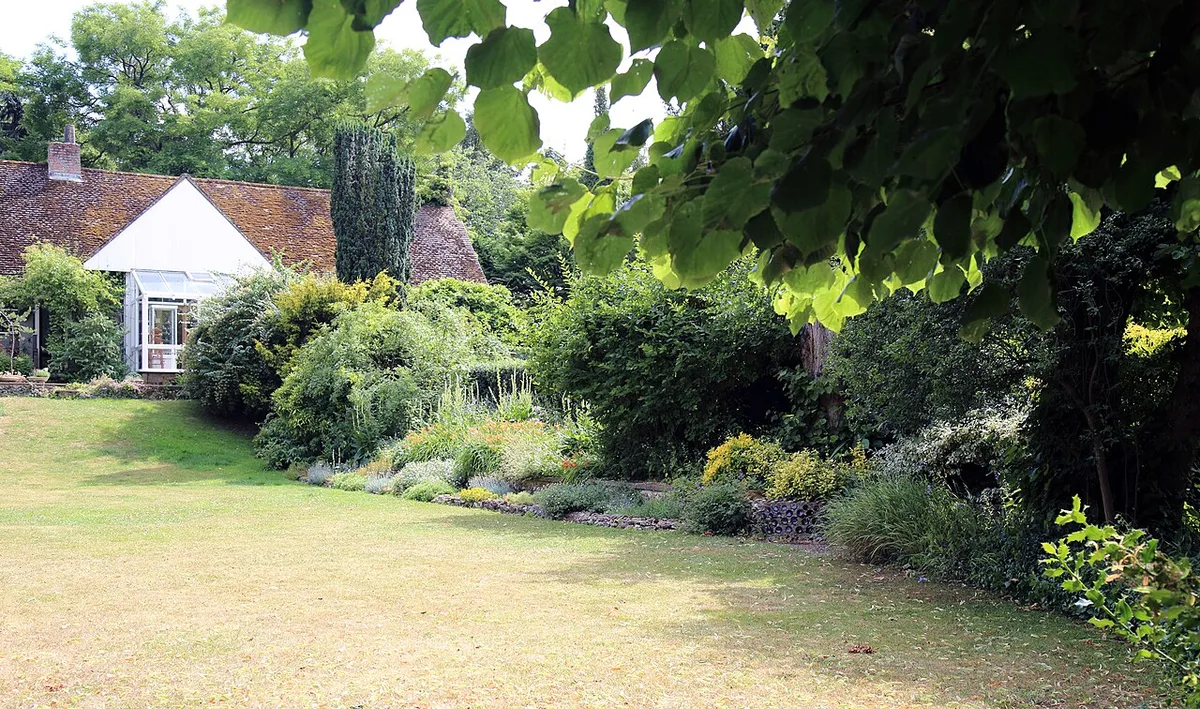
The word edging can hide several different jobs. Write down whether you are maintaining an established grass boundary, addressing a small awkward patch or asking about a new border. Do not assume that a product marketed for one task is intended for all of them. The real lawn-and-bed photograph shows an established curved boundary, but it does not tell us how that edge was made or maintained. Use a photograph of your own boundary to explain the result you want to a knowledgeable retailer.
Include a manual candidate where it fits the task
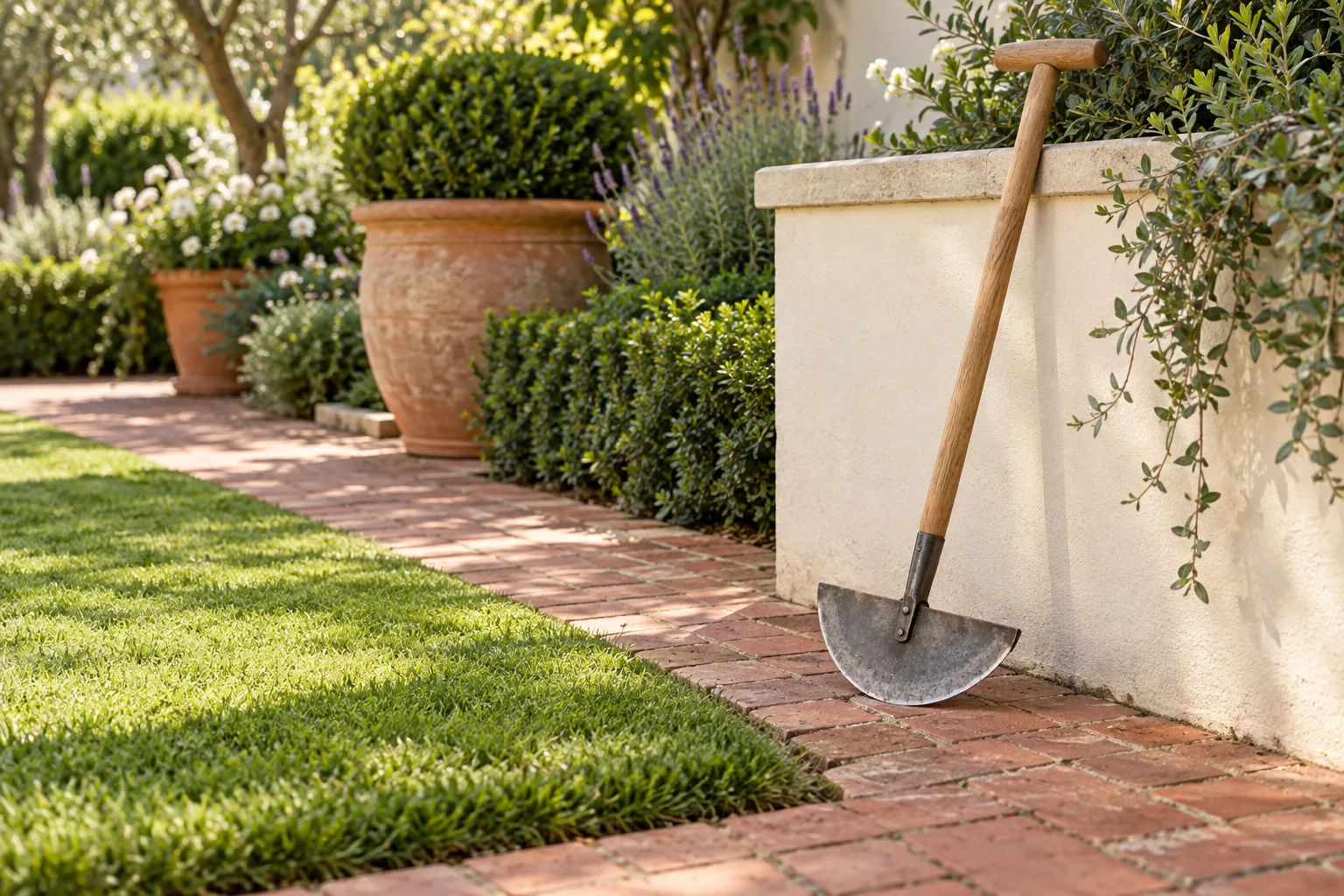
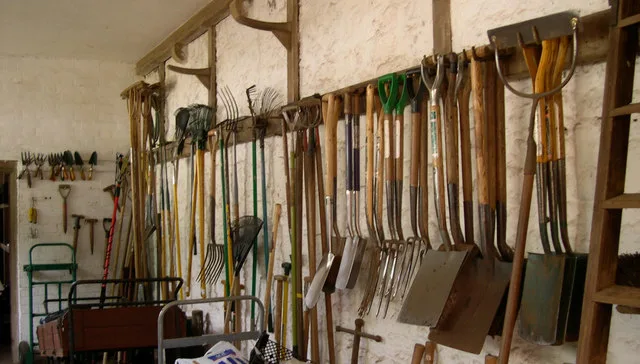
A manual tool deserves consideration when its documented purpose matches the work. That is not a blanket claim that it is easier, safer or quicker. Handle form, reach, the amount of work and personal usability still matter. Ask to see the actual tool and its instructions before deciding. The potting-shed photograph shows a range of long-handled tools sharing a storage wall; it illustrates variety in form, not an approved storage arrangement or a tested recommendation.
Compare the complete ownership list
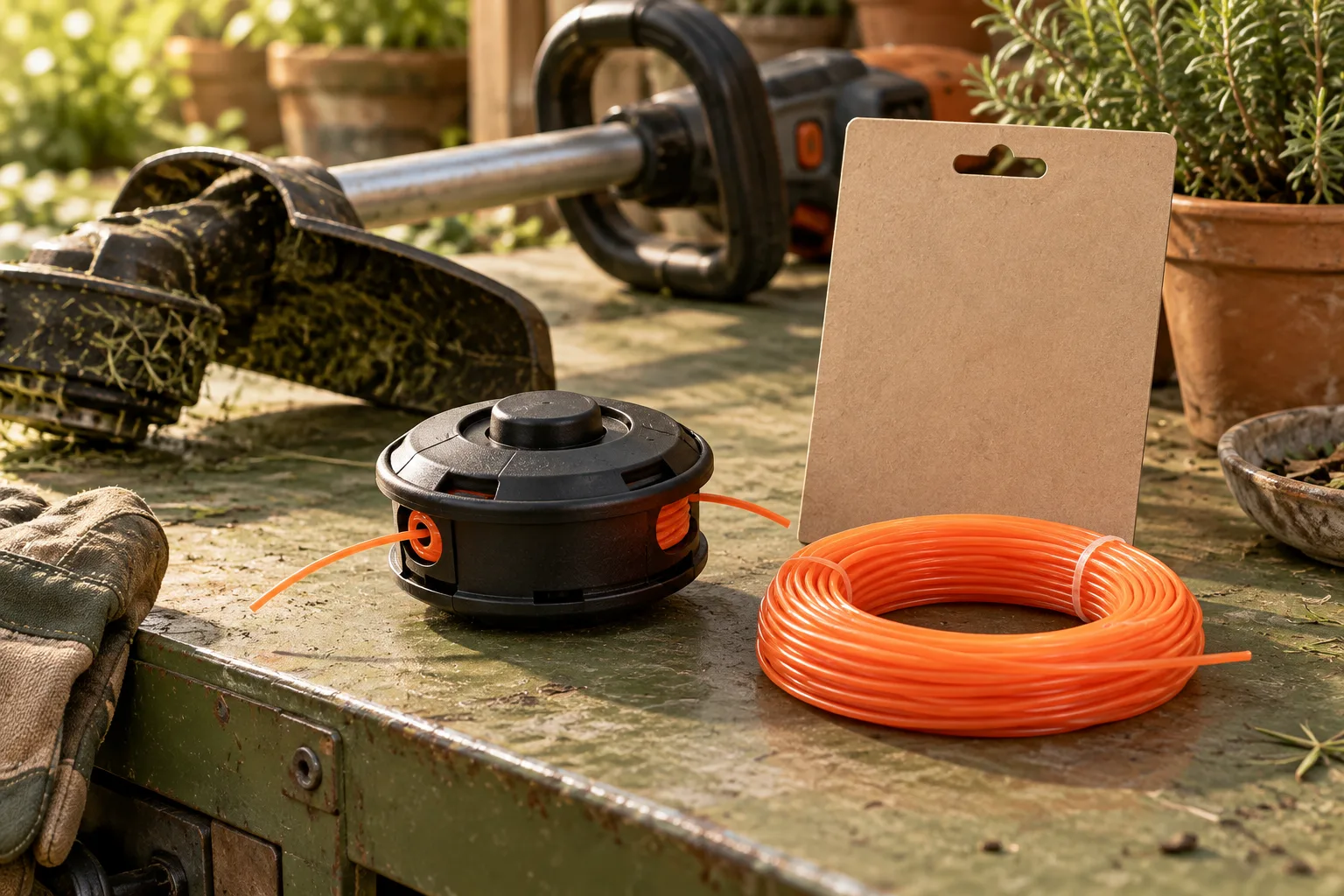
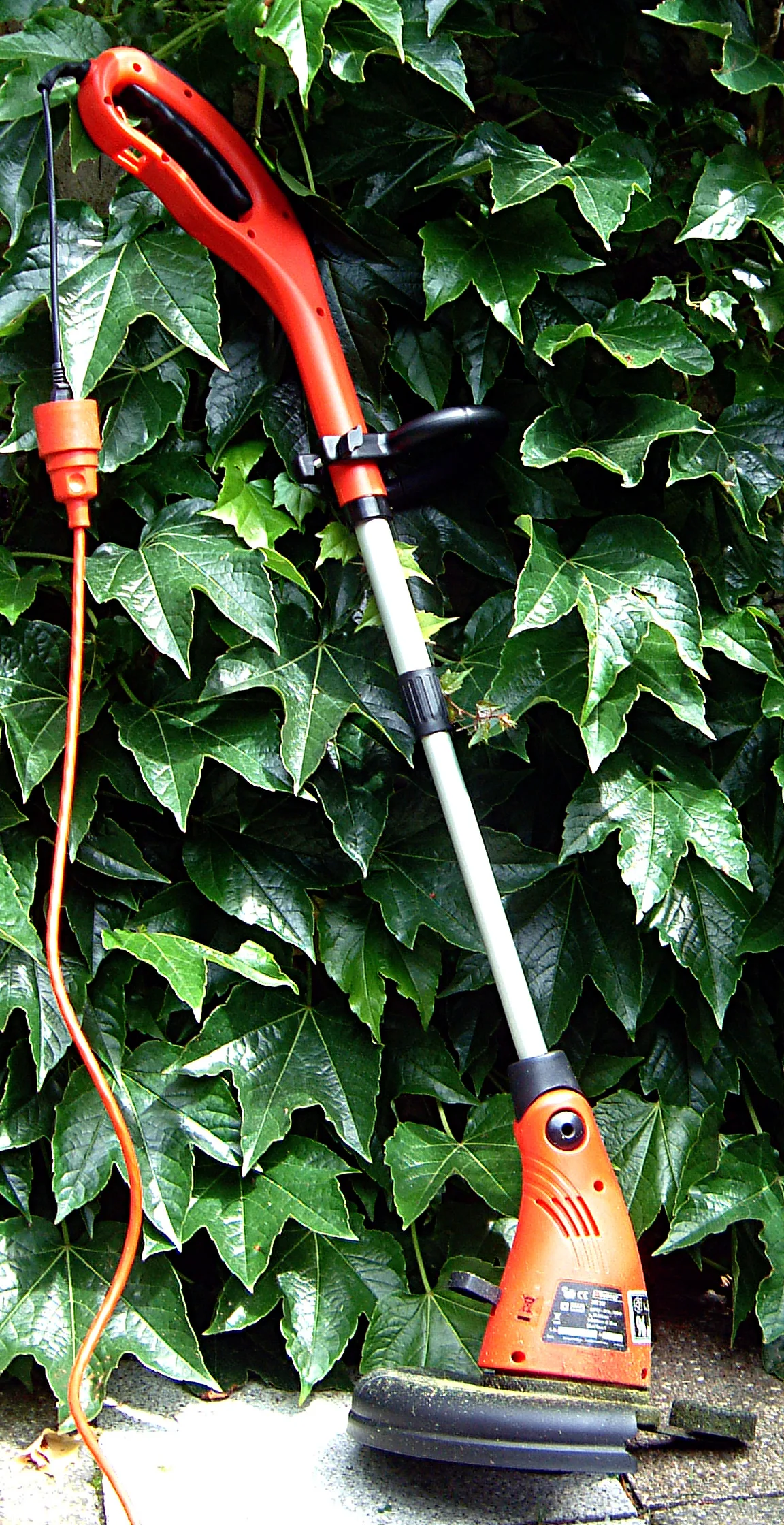
For each candidate, list the main tool, any required consumables, care items and storage needs. A powered proposal may involve a power source or charging system; a manual proposal still needs suitable storage and model-appropriate care. The real corded-trimmer photograph makes one complete powered-tool form visible. It is not evidence that corded equipment is suitable for your route, and it does not support an electrical setup recommendation. The point is to compare complete proposals instead of isolated headline prices.
Use an inventory example rather than a price guess
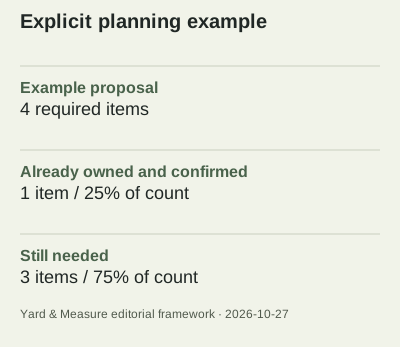
Suppose a hypothetical shortlist contains four required items for one proposal and two for another. If you already own one compatible item in the first list, 25% of its item count is covered; three items remain, or 75%. Item counts are not cost shares, and a smaller count does not automatically mean a cheaper purchase. Enter actual quoted prices into the budget tool only after compatibility and inclusion are confirmed. This keeps an illustrative planning comparison separate from unverified retail pricing.
Find instructions before making the choice
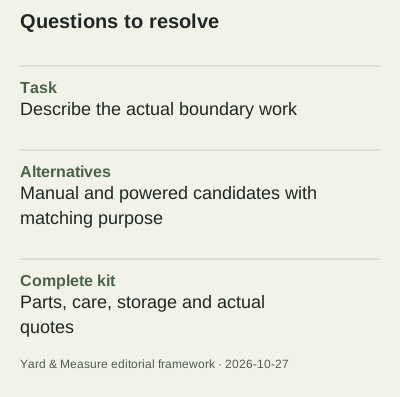
GARDENA Australia explains how to locate manuals through a specific product page or product identifier. Use that sort of manufacturer record to check intended purpose and care requirements for the exact candidate. A general garden plan also helps the discussion: Sydney Water recommends clearly identifying garden areas for irrigation planning, and the same labelled sketch can communicate your lawn boundary. Neither source replaces a model-specific assessment of the tool you intend to buy.
Keep the decision proportional to the real job
If the candidate introduces more storage, accessories or unresolved questions than the small task warrants, revisit the shortlist. Ask what simpler documented options exist rather than buying a powered system solely because it appears more capable. Reviewed on 2026-10-27, this guide offers purchase questions, not cutting instructions or a noise exemption. Local requirements and the exact tool’s instructions remain separate checks. No model has been hands-on tested or ranked here.