Match replacement trimmer line to the exact head
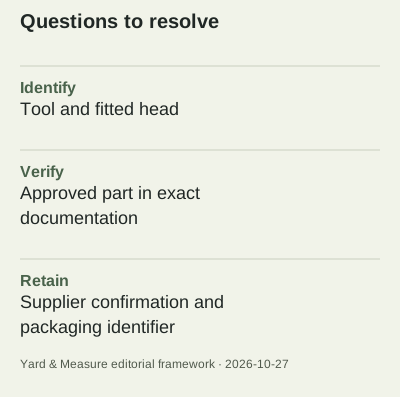
Identify the complete tool and fitted head before buying replacement line or a spool cartridge.
Updated:
Identify what is actually fitted
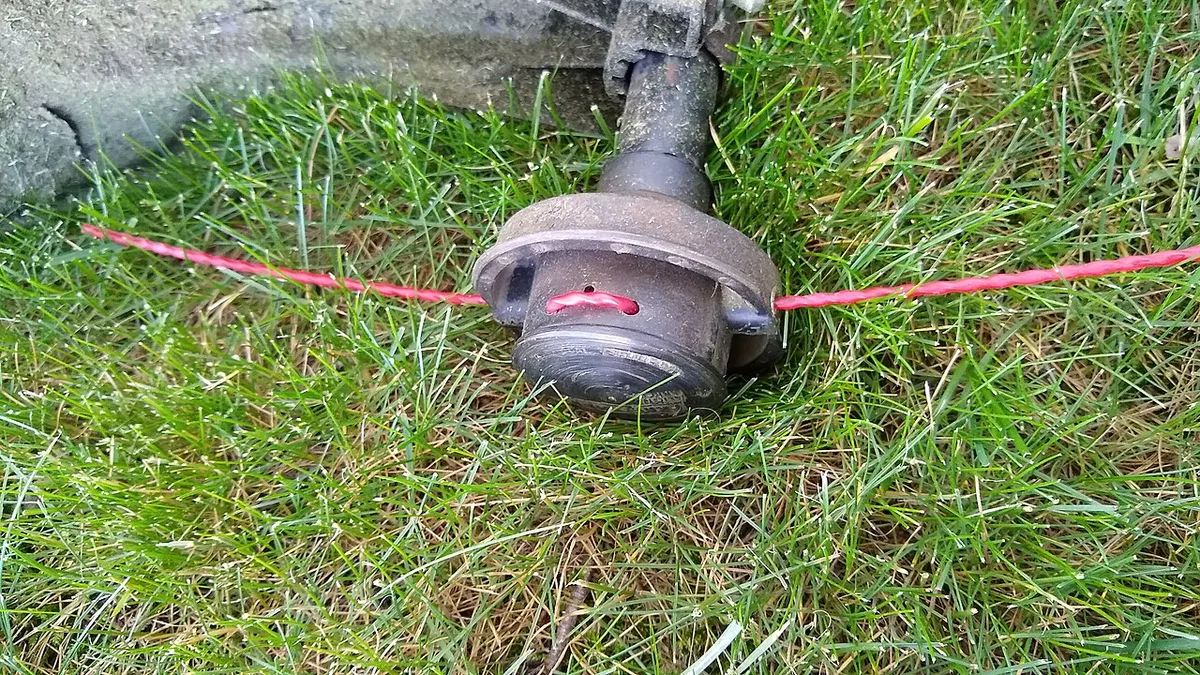
A familiar colour or a roughly matching circular shape is weak evidence for a replacement part. Record the trimmer model and identify the fitted cutting head, particularly if a previous owner may have changed it. Keep photographs of readable labels with your purchase notes. The real fixed-line head photograph is a useful counterexample to assuming that every trimmer takes the same wound spool: its source identifies a fixed-line arrangement. It is not a compatibility recommendation for any model in your shed.
Distinguish line from a complete cartridge
A length of line, a wound spool and a complete head are different purchasing units. A listing that uses the word replacement may refer to only one of them. Write the item type beside the part number before comparing offers. Ask the supplier to confirm what is included and which exact models it supports. Do not interpret a similar photograph as an instruction to interchange components, and do not assume an apparently thicker line is an upgrade.
Read the model-specific source
RYOBI Australia publishes support guidance for named trimmer models and explicitly makes line diameter dependent on the model. That is the important buying lesson here; this article does not reproduce its maintenance sequence or generalise its dimensions to other machines. For a different manufacturer, locate the equivalent manual or support record. GARDENA’s Australian manual page, for example, directs users to a product’s Service tab or a search by product name or article number. A model identifier makes that search much more precise.
Keep one record for each tool
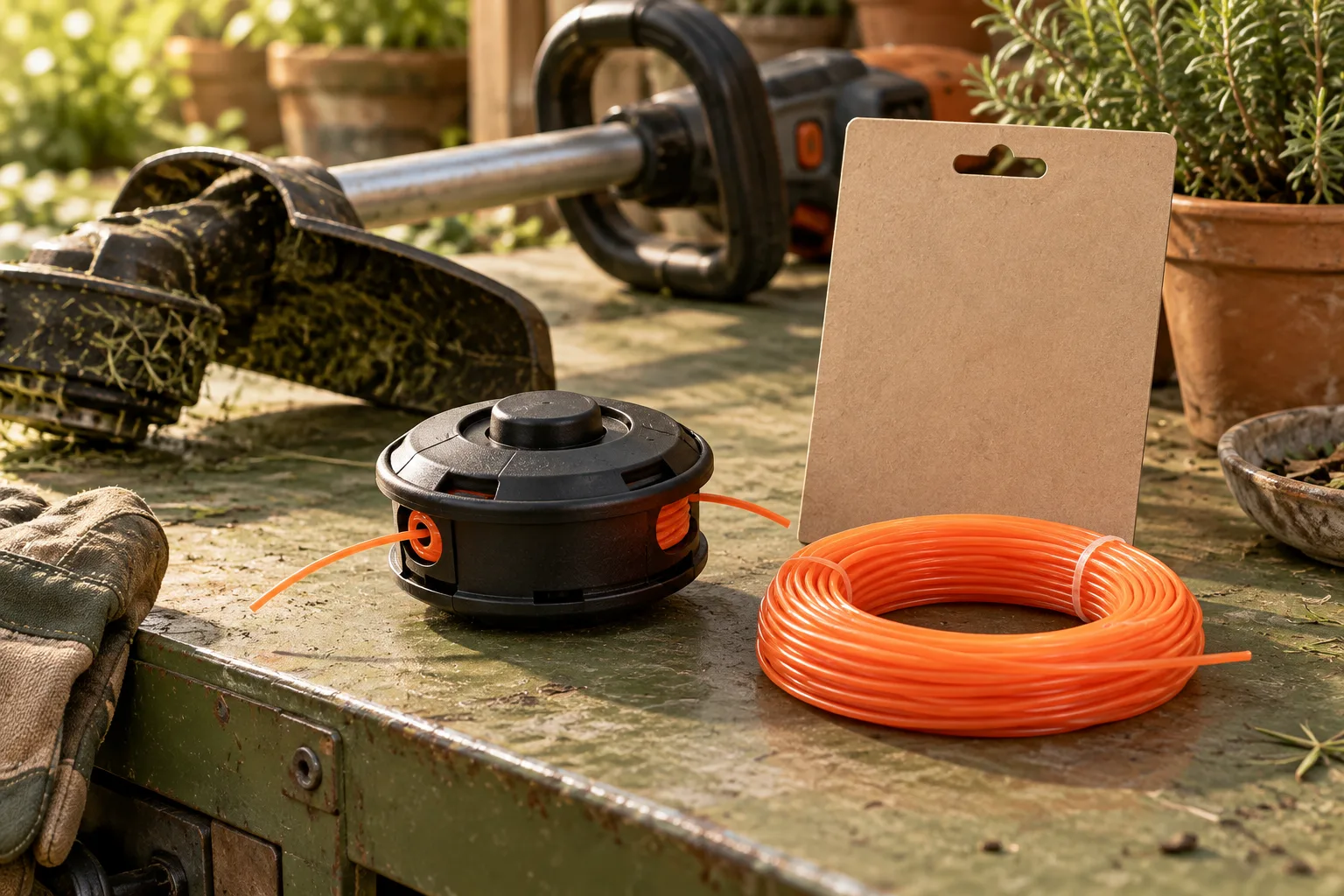
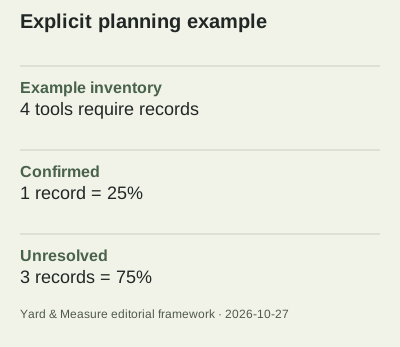
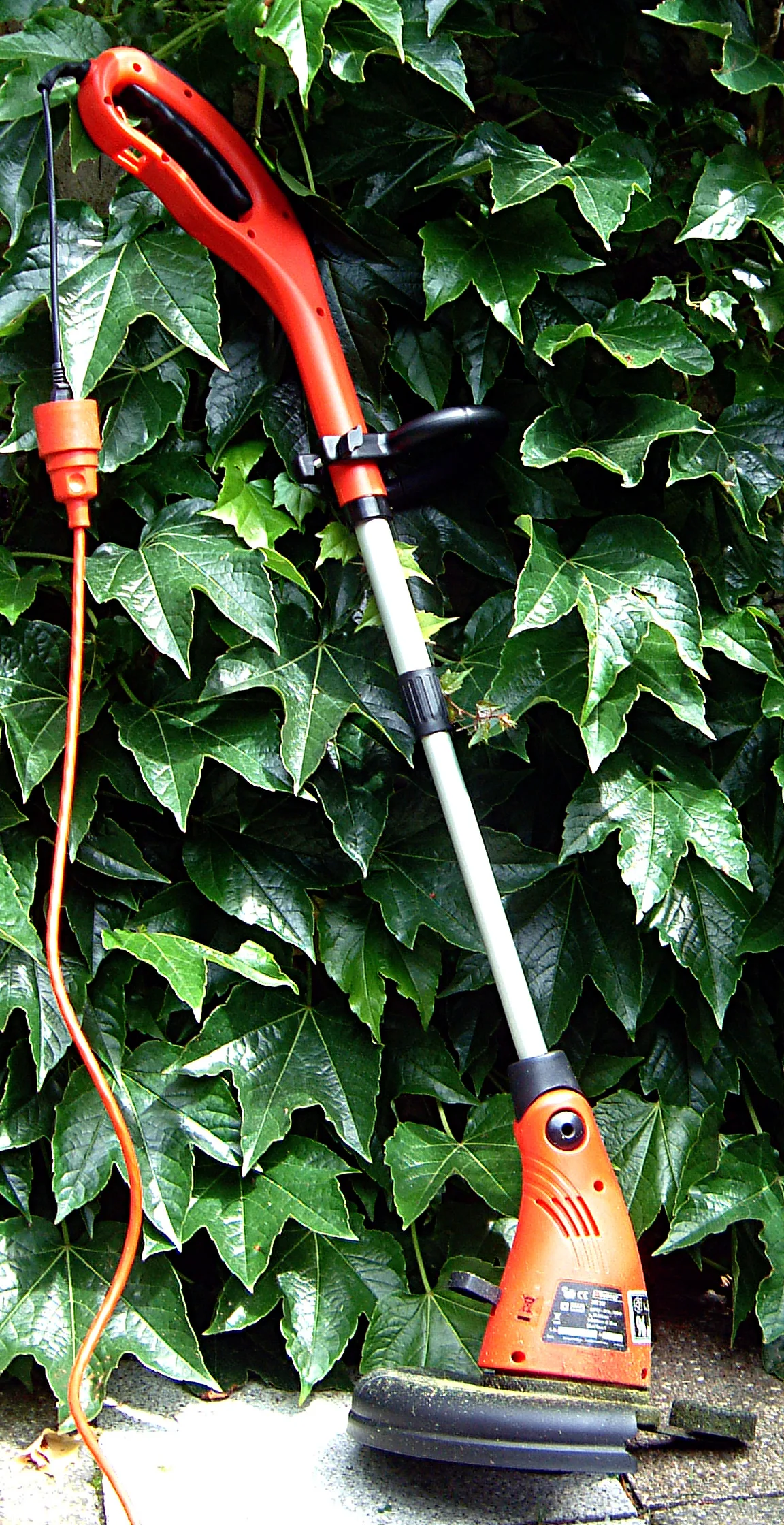
Use a small record with fields for tool model, head model, approved consumable identifier, source link and date checked. In an illustrative inventory of four tools, if only one has a confirmed consumable record, coverage is 25%; the other three remain 75% unresolved. Those percentages measure documentation completeness only. They say nothing about reliability or safety. The complete trimmer photograph illustrates the need to connect a head-level question to the whole tool, rather than keeping a loose part name without context.
Resolve missing information before ordering
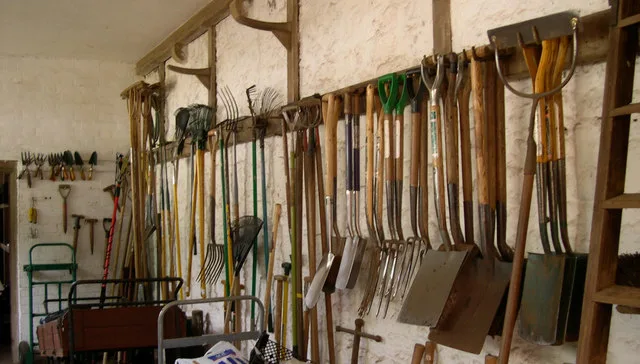
Send the exact identifiers and relevant photographs to the manufacturer or supplier when the documentation is unclear. Keep their response with the record. If the head cannot be identified, leave compatibility unresolved instead of treating a marketplace fit list as conclusive. The real potting-shed photograph shows how many different tool forms can share a storage space; a labelled record is more dependable than remembering which loose packet belongs to which item. The photograph is illustrative and does not verify any displayed equipment.
Retain the evidence after the purchase
Keep the packaging identifier and receipt alongside the confirmed record, then update it if the equipment changes. Reviewed on 2026-10-27, this guide addresses part identification and buying records only. It does not provide line-loading, dismantling, adjustment or repair instructions. Follow the exact manufacturer guidance for maintenance, including its preparation and protective-equipment requirements; do not reconstruct those steps from an equipment photograph or this shopping checklist.
RYOBI Australia model-specific line guidance ? GARDENA Australia manual lookup ?