Keep a replacement-parts record with the model number
Connect each garden tool to its exact model, documented consumables and supplier confirmation.
Updated:
Give each tool a stable identity
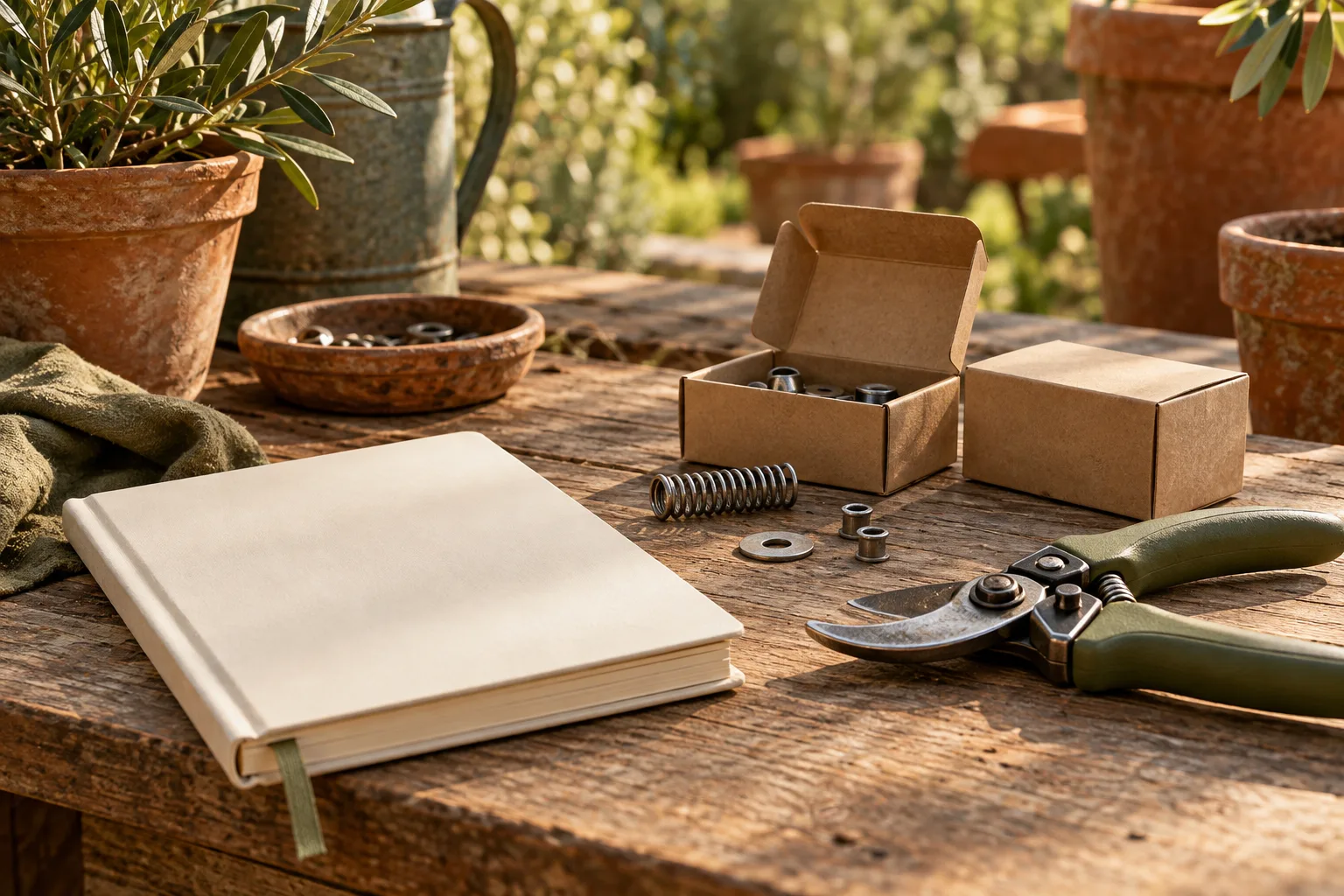
A spare part is easier to identify when it belongs to a complete equipment record. Start with the manufacturer, exact model identifier and any relevant version information shown by the product documentation. Add a photograph of the readable label and keep the manual link alongside it. Avoid using a nickname such as green trimmer as the only identifier. Different products can share a colour, while a single product family can contain versions that use different parts.
Separate consumables from service components
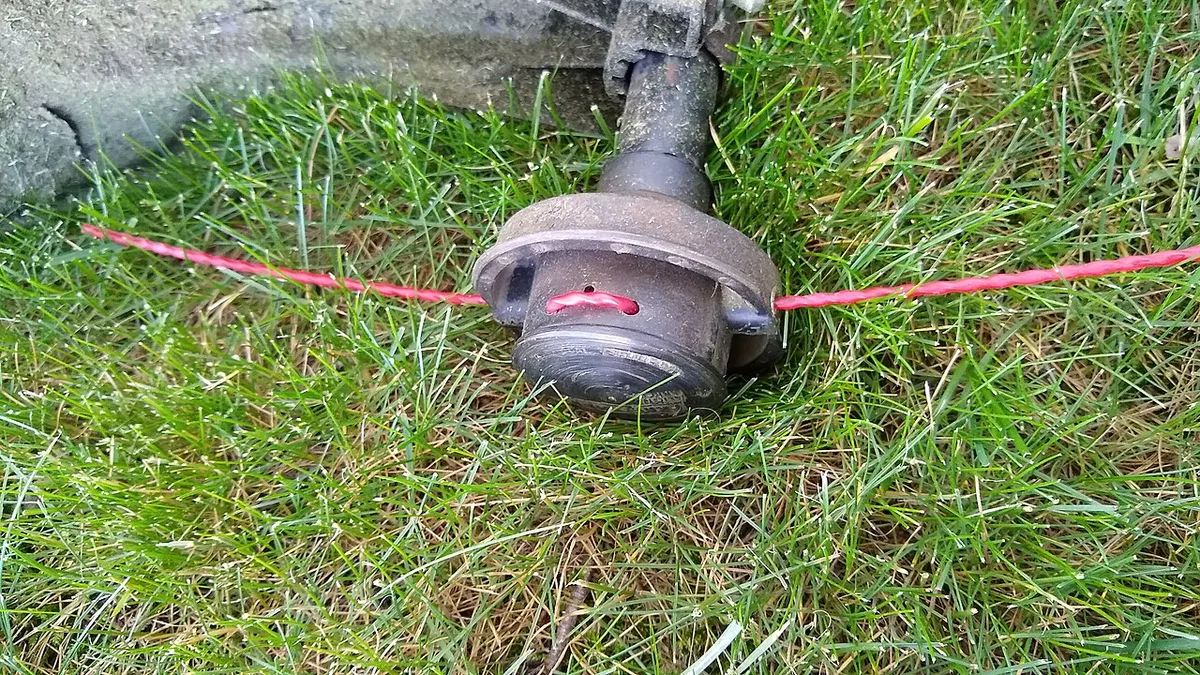
Create distinct fields for routine consumables and parts that may require model-specific service advice. The real fixed-line trimmer-head photograph illustrates why even a familiar category can contain different arrangements. It is not evidence that a replacement spool fits the pictured head. RYOBI Australia’s support guidance makes line information dependent on the named model. Apply that identification discipline to the actual equipment you own, without turning one manufacturer’s instructions into a universal replacement procedure.
Record the evidence, not just the answer
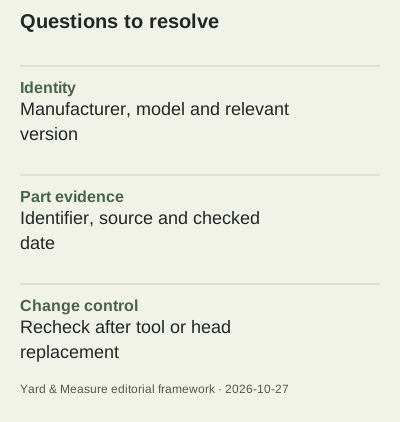
For each confirmed item, save the part identifier, official source link, date checked and any supplier clarification. If the source only lists a family name, note that limitation. GARDENA’s Australian manual page describes looking up instructions by product name or article number; that is a useful starting point for its products. Do not rewrite an uncertain fit as confirmed merely because a marketplace description includes a similar model number. Preserve the uncertainty until it is resolved.
Use a small completeness check
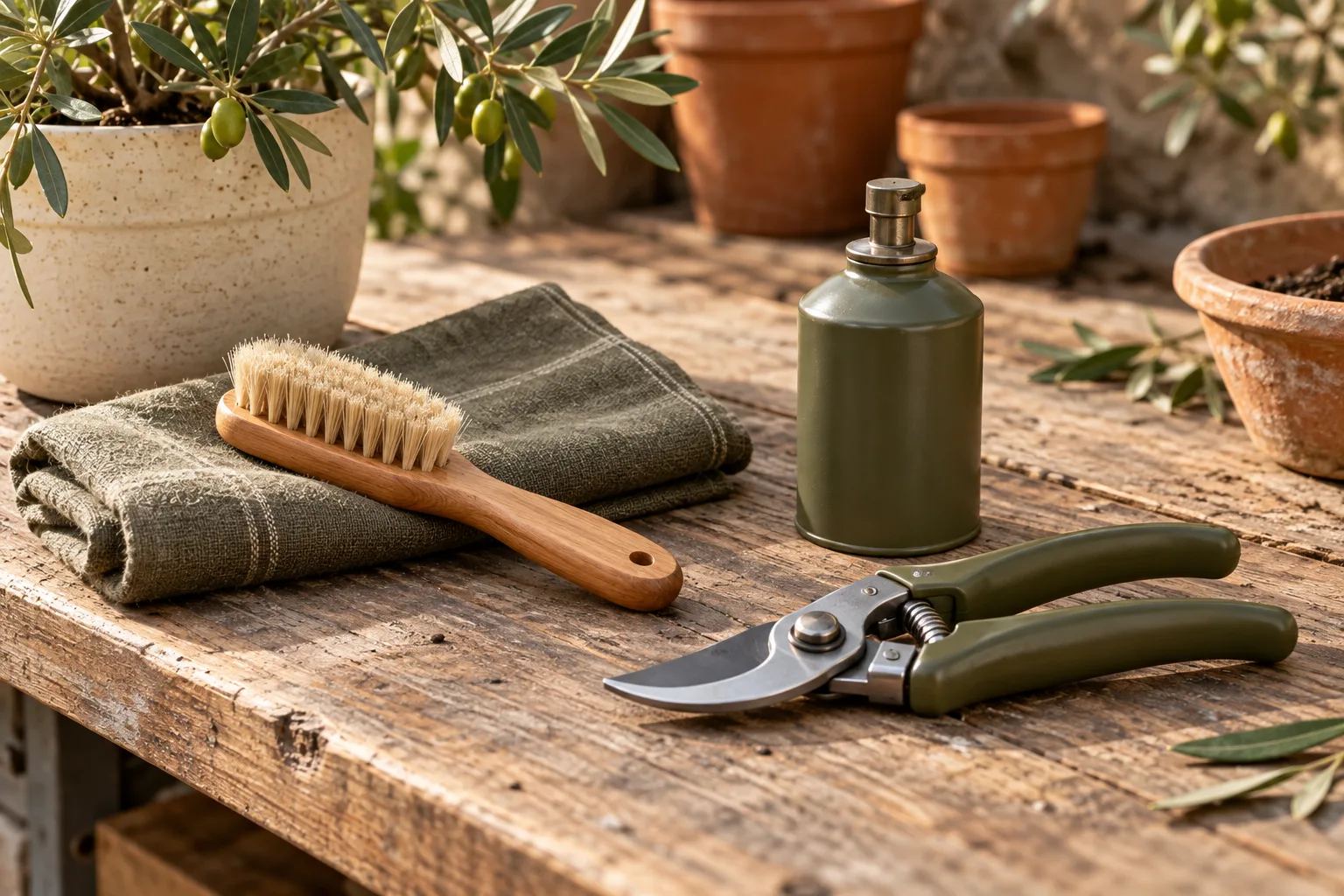
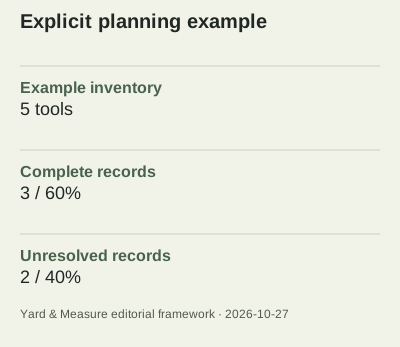
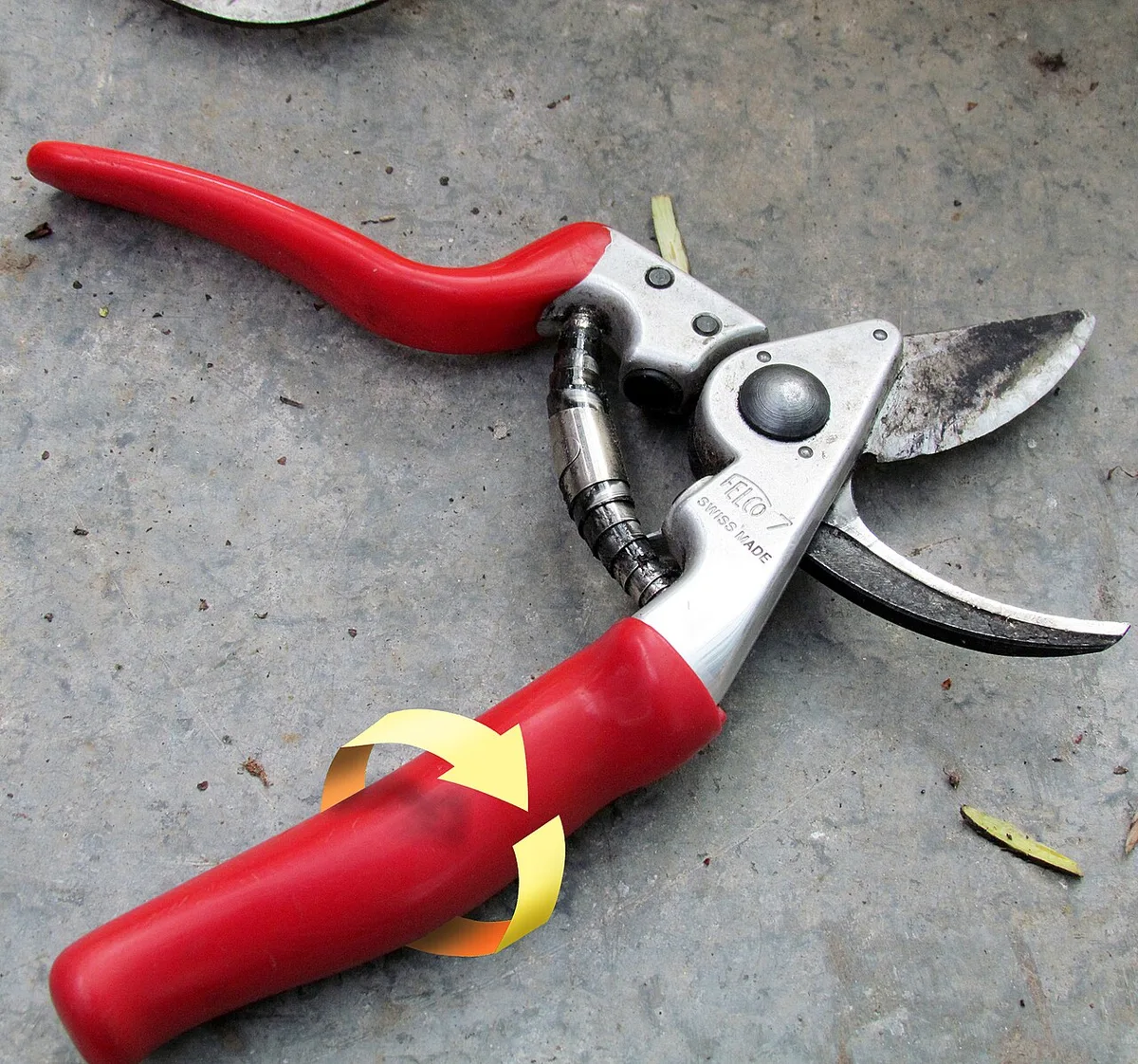
Suppose a hypothetical inventory contains five garden tools. If three have a model number, manual and confirmed consumable record, that is 60% documentation coverage; the remaining two represent 40% unresolved coverage. This is an administrative measure, not a reliability or safety score. The rotating-handle secateurs photograph illustrates a design variation that can make exact identification worthwhile. It does not establish that the pictured tool shares springs, blades or handles with another version.
Keep loose packets connected to the record
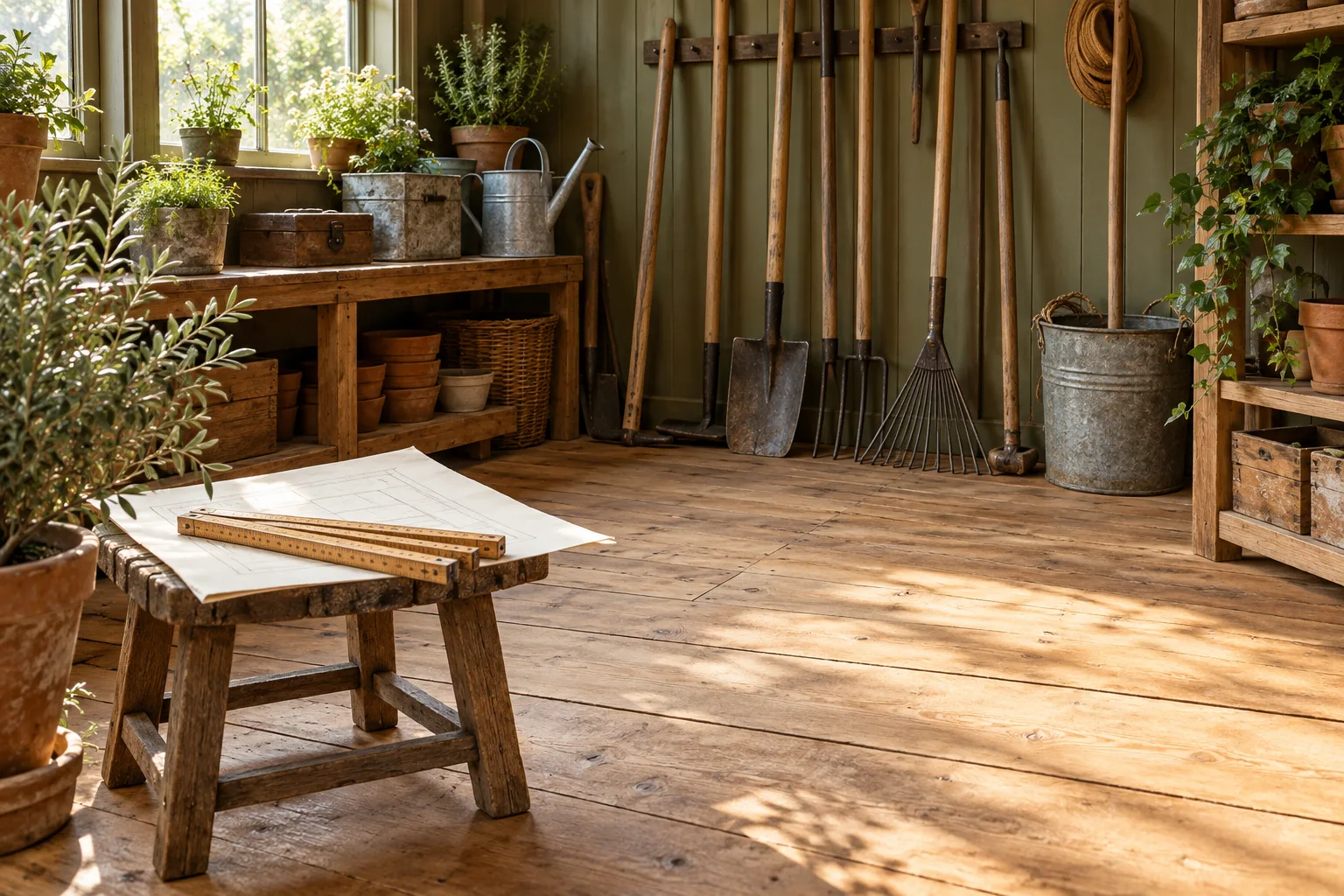
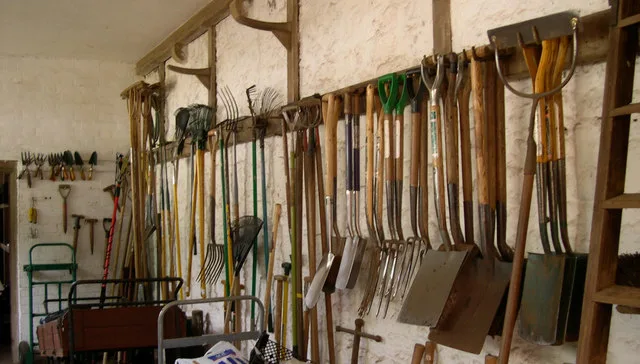
Store purchase information so that a sealed spare packet can be traced back to its intended tool. Keep the original part number and supplier details readable rather than relabelling it only with a generic name. The potting-shed photograph shows many tools sharing a space, which explains why memory alone can become unreliable. It does not tell us whether any of those tools need replacement parts, and we have not inspected their condition.
Recheck after an equipment change
When a tool, head or accessory is replaced, review the connected parts record before reordering from an old receipt. A previous purchase is evidence of what you bought, not automatic proof of compatibility with a changed setup. Reviewed on 2026-10-27, this guide covers identification and record keeping only. It includes no repair procedure, interchangeable-parts claim or promise that a manufacturer continues to supply a particular component. Confirm current availability and suitability through the relevant official or supplier channel. Keep superseded records clearly marked so a search does not accidentally present an old part number as the current answer.
GARDENA Australia manual lookup ? RYOBI Australia model-specific line guidance ?